


Why Are Gen Z Consumers Changing the Future of the Wine Industry?
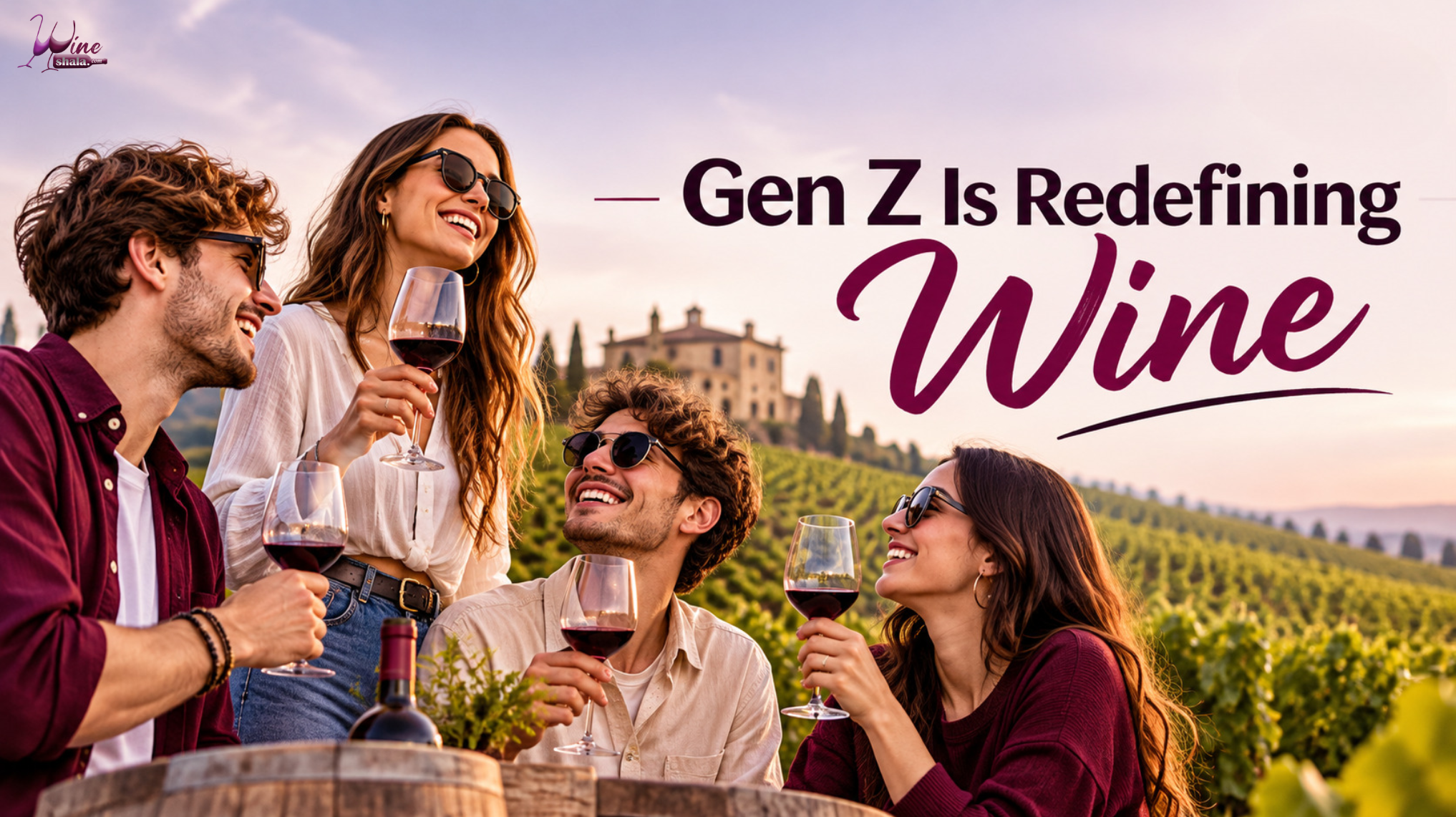
The wine industry is entering a new era, and Generation Z is becoming an important part of that change. From sustainable wine choices and new flavours to social media discovery and low-alcohol alternatives, younger legal-drinking-age consumers are changing how wine brands connect with their audiences. But what exactly does Gen Z want from the wine industry, and how can wineries adapt?
For generations, wine has been closely connected with tradition, special occasions and established drinking habits. But today's younger consumers are bringing fresh expectations to the market.
Generation Z, generally referring to people born between 1997 and 2012, is growing into an important consumer group. As more members reach the legal drinking age, their preferences are creating new opportunities and challenges for wineries, wine retailers and distributors.
For wine producers across Italy, France, Spain and other European countries, understanding this generation is becoming increasingly important.
Let's explore the key ways Gen Z is influencing the future of the global wine industry.
1. A New Generation, A New Way of Choosing Wine
Gen Z does not necessarily approach wine shopping in the same way as older generations. Traditional brand reputation and famous wine regions may still matter, but younger legal-age consumers are also interested in discovering something different.
They often want to understand what makes a wine special before choosing it.
Questions such as where the grapes were grown, how the wine was produced, what it tastes like and whether the brand follows responsible practices can influence their decisions.
This creates an opportunity for smaller wineries and independent wine producers. Instead of depending only on established names, they can attract attention through interesting products, clear information and authentic brand stories.
For the wine industry, the message is simple: understanding the consumer is just as important as producing a quality wine.
2. Sustainability Is Becoming an Important Buying Factor
Sustainability is one of the major conversations shaping the modern wine industry.
Many younger consumers are paying closer attention to environmental issues, including climate change, packaging waste, water consumption and responsible farming.
This is particularly relevant for European wine producers, where vineyards and grape-growing regions are closely connected to the natural environment.
Some wineries are responding by adopting practices such as:
Organic and biodynamic grape growing.
Reduced water consumption in vineyards.
Renewable energy in wine production.
Recyclable and lighter packaging.
Responsible waste management.
More transparent information about production methods.
However, sustainability needs to be supported by genuine action rather than attractive marketing claims.
For wineries, communicating real environmental efforts can help build trust with consumers who want to make more informed choices.
3. Social Media Is Changing How Young People Discover Wine
Wine discovery is no longer limited to wine shops, restaurants or recommendations from experienced wine drinkers.
Instagram, TikTok, YouTube and other digital platforms have become important spaces for discovering new wine brands, tasting experiences and wine regions.
A short video showing a vineyard in Tuscany, a behind-the-scenes look at winemaking or a simple explanation of different grape varieties can introduce a wine brand to an entirely new audience.
Younger consumers may discover a wine through:
Short-form wine tasting videos.
Recommendations from food and lifestyle creators.
Vineyard travel content.
Wine education and tasting guides.
Customer reviews and online communities.
This gives wineries an opportunity to communicate directly with potential customers.
Instead of relying only on traditional advertising, wine businesses can use storytelling, educational content and genuine experiences to make their brands more approachable.
4. Are Low-Alcohol and No-Alcohol Wines Gaining Attention?
Changing lifestyles and growing interest in moderation are influencing beverage choices across several international markets.
Some younger adults are choosing to drink less frequently, while others are exploring low-alcohol or alcohol-free alternatives.
According to IWSR research published in 2025, no-alcohol wine volumes increased between 2019 and 2024 across all eight major markets studied, including France, Germany, Spain and the UK. Gen Z and Millennials are also becoming increasingly relevant to this category.
This trend is encouraging wine producers to explore new options, including:
Alcohol-free wine alternatives.
Low-alcohol sparkling wines.
Lighter wine styles.
More options for different social occasions.
Importantly, this does not mean every Gen Z consumer avoids traditional wine. Preferences differ across countries, lifestyles and individuals.
For producers, offering variety and maintaining good taste and quality will be important when developing products for changing consumer expectations.
5. Unique Flavours and New Wine Experiences Are Attracting Attention
Many younger legal-age wine consumers are interested in exploring beyond familiar wine styles.
Traditional red and white wines remain important, but there is also growing curiosity around different grape varieties, wine-making methods and less familiar regions.
Some styles attracting attention include:
Orange Wine: Made using white grapes with extended skin contact, creating a distinctive colour, texture and flavour profile.
Natural Wine: Generally associated with minimal-intervention winemaking, although production methods and definitions can vary.
Pet-Nat: Short for Pétillant Naturel, a naturally sparkling wine made using an earlier bottling stage of fermentation.
Chilled Red Wine: Certain lighter-bodied red wines can be served slightly chilled, offering a different tasting experience.
These styles allow wine brands to introduce consumers to new flavours and stories.
For wineries in Italy, France, Spain and Portugal, highlighting regional grape varieties and traditional production techniques can make lesser-known wines more interesting to international audiences.
6. Packaging and Presentation Matter More Than Ever
A wine bottle is not just a container. Its design, label and presentation can influence how consumers notice and remember a brand.
Younger shoppers are increasingly exposed to wine products through digital platforms, online stores and modern retail environments.
This makes visual presentation an important part of wine marketing.
Some brands are experimenting with:
Modern and minimal bottle labels.
Creative packaging designs.
Smaller bottle formats.
Canned wine and alternative packaging.
Recyclable and lightweight materials.
Convenience is another factor. A 2025 consumer study by Ocado Retail reported that 60% of surveyed Gen Z consumers were happy to drink wine from a box or can.
The findings suggest that packaging innovation can help wine brands connect with consumers looking for convenience, value and more flexible formats.
However, attractive packaging must always be supported by product quality.
7. What Does This Mean for Italian and European Wineries?
Italy, France, Spain, Germany and Portugal have long-standing wine traditions and internationally recognised wine regions.
But tradition alone may not be enough to attract every new consumer.
European wineries have an opportunity to combine their heritage with modern communication and changing consumer expectations.
Here are some practical areas where wine businesses can focus:
For smaller wine producers, digital platforms can also help create connections beyond their local markets.
A winery in Tuscany or Rioja can use online storytelling, digital catalogues and international wine communities to introduce its products to potential buyers in other countries.
8. How Can Wine Brands Connect Better With Gen Z?
Connecting with younger consumers requires more than following social media trends. Wine brands need to understand what their audiences value and communicate in a way that feels genuine.
Here are five useful approaches:
Tell Your Brand Story: Share the people, vineyards and traditions behind your wines.
Make Wine Education Simple: Explain grape varieties, flavours and wine regions without complicated terminology.
Build a Digital Presence: Use engaging videos, informative posts and useful website content.
Show Real Sustainability Efforts: Share transparent information instead of making unsupported environmental claims.
Offer More Choices: Explore different wine styles, formats and suitable alcohol alternatives.
The goal should not be to change the identity of traditional wine brands completely. It should be to make their products, stories and experiences more accessible to a new generation.
Conclusion: The Future of Wine Belongs to Brands That Understand Their Consumers
Gen Z is not simply replacing older wine consumers. It is bringing new expectations, fresh ideas and different purchasing habits to an already changing industry.
From sustainable production and digital discovery to innovative packaging and new wine styles, these preferences are encouraging wine businesses to rethink how they develop and present their products.
For Italian and European wineries, the opportunity lies in finding the right balance between tradition and innovation.
The brands that listen to their consumers, communicate honestly and offer meaningful experiences will be better positioned to build lasting connections with future wine buyers.
The future of wine is not just about what is in the bottle. It is also about the story, values and experience behind it.
Frequently Asked Questions (FAQs)
1. How is Gen Z changing the wine industry?
Gen Z is influencing the wine industry through changing preferences around sustainability, digital discovery, packaging, product variety and more mindful drinking habits.
2. What type of wine is popular among Gen Z consumers?
Preferences vary by market, but younger legal-age consumers are showing interest in sparkling wines, natural wines, orange wines, lighter styles and low- or no-alcohol alternatives.
3. Why is sustainability important to younger wine consumers?
Many younger consumers pay attention to environmental concerns such as packaging waste, water usage, farming practices and responsible production when evaluating brands.
4. How can wineries attract Gen Z customers?
Wineries can improve their appeal through authentic storytelling, social media engagement, simple wine education, transparent sustainability practices and innovative product offerings.
5. What is the future of the European wine industry?
The European wine industry is likely to continue adapting through sustainability initiatives, digital marketing, product innovation, changing consumer preferences and new international business opportunities.
Recent Posts






Subscribe to our newsletter for regular updates about offers, coupons & more
Follow Us
Mobile Apps